Festivals in Sri Lanka: An Insider Guide to Cultural & Religious Celebrations

festivals

What if, just as you land in your favourite destination, the country comes alive—bursting into colour, rhythmic drums echoing through the streets, homes filled with festive aromas, and centuries-old rituals unfolding right before your eyes?

That is exactly what happens when you plan your trip around festivals in Sri Lanka.

Sri Lanka is a multi-ethnic, multi-religious, and multi-cultural island, and this diversity is reflected in its unusually high number of public holidays—around 25 to 26 each year. Buddhist, Hindu, Muslim, and Christian celebrations coexist alongside cultural festivals and grand religious processions, each offering travelers a unique window into the island’s living heritage.

For international visitors, festivals are the key towards an immersive experience of the local traditions, rich culture, spiritual beliefs, festival-specific delicacies, temple rituals, and fun games they can participate in.

Before You Dive In: Important Context for Travellers

A few insider clarifications will help you understand Sri Lankan festivals better:

  • Sri Lanka has two official languages: Sinhala and Tamil. While some festivals are shared, the names, rituals, and regional expressions may vary.
  • Festivals and religious processions are different.
    • Festivals are celebrated in homes and villages across the island.
    • Processions (Peraheras) take place at specific temples or sacred sites and require traveling to the location.

Visitors are warmly welcomed, but respectful attire and behaviour are essential—especially at religious sites.

Sri Lanka Festival Calendar — Dates & Locations

Month

Festival / Procession

Type

Best Locations

January

Thai Pongal

Hindu Harvest Festival             

Northern & Eastern Sri Lanka

April

Sinhala & Tamil New Year              

Cultural Festival

Island-wide

May

Vesak Festival

Buddhist

Colombo, Kandy

June

Poson Festival

Buddhist

Anuradhapura, Mihintale

July–August 

Kataragama Festival

Hindu–Buddhist

Kataragama

July–August                 

Kandy Esala Perahera

Buddhist Procession

Kandy 

August

Nallur Festival

Hindu Procession

Jaffna

Variable

Ramadan & Eid-ul-Fitr

Muslim

Colombo, Eastern Coast

November

Diwali

Hindu

North & East

December

Christmas & New Year

Christian

Colombo, Negombo

Thai Pongal (January)

The Tamil Harvest Festival

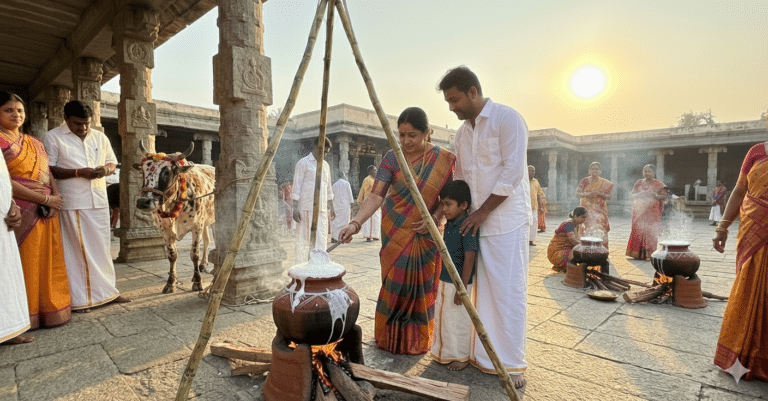
Thai Pongal is a harvest festival in Sri Lanka celebrated mainly by Tamil communities. Observed in January, it is a thanksgiving to nature—the sun, rain, and cattle—for a successful harvest season. Homes are cleaned and decorated with kolams (colourful rice-powder designs), and families prepare sweet pongal, a traditional dish made with rice, jaggery, and milk.

Date: 15 January 2026
Where: Northern & Eastern Sri Lanka, and Tamil communities island-wide

Key Rituals

  • Boiling milk rice until it overflows (symbol of abundance)
  • Rangoli designs with rice flour at house entrances
  • Worshipping cattle during Maatu Pongal (the next day)
  • Temple prayers, offerings, decorations, devotional music, chanting, and traditional drumming
  • Burning old items during the cleansing ritual, Bhogi (the previous day)
  • Village-level cultural activities and traditional games
Thai Pongal festival in Sri Lanka
Families celebrating Thai Pongal at a temple

What Tourists Can Participate In

  • Pongal cooking rituals: Join local families or cultural centres as they boil milk rice until it overflows, symbolising abundance and prosperity
  • Rangoli drawing: Learn to create traditional rice-powder designs at home entrances during the festival mornings
  • Temple visits: Observe special Pongal prayers and offerings at Hindu temples, especially in the Northern and Eastern regions
  • Harvest celebrations: Experience village-level festivities that give thanks to nature, the sun, rain, and cattle
  • Sharing festive meals: Taste sweet Pongal and traditional vegetarian dishes prepared for the occasion

Ramadan & Eid-ul-Fitr (Feb–April)

A Month of Reflection

Though Muslims make up a smaller percentage of the population, Ramadan festival in Sri Lanka is widely felt in its cities, especially in Colombo, Kandy, Galle, and coastal trading towns where Muslim communities have lived for centuries. During this sacred month, the rhythm of fasting from dawn to sunset, followed by collective breaking of the fast, gives visitors a rare opportunity to observe Islam as it is practised in a peaceful, multicultural society. 

Date: Ramadan — Varies annually (approx. Feb–April); Eid-ul-Fitr — Immediately after Ramadan
Where: Colombo, Kandy, Eastern Coast (Batticaloa, Kalmunai)

Key Ramadan Activities in Sri Lanka

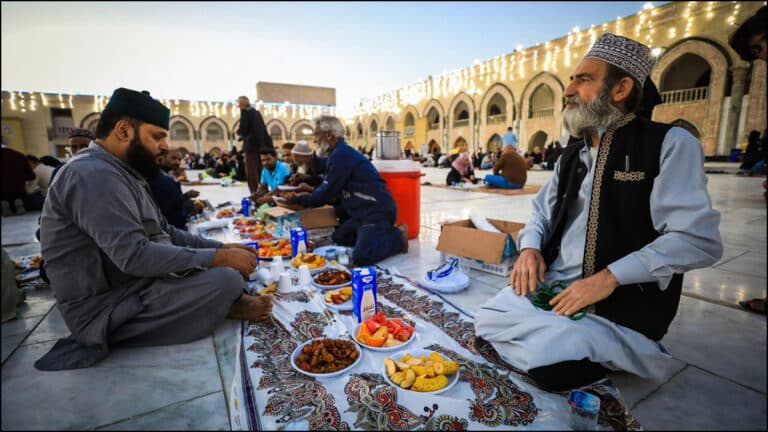
Muslims celebrating Ramadan festival in Sri Lanka
1. Muslims break their fast with Iftar
  • Daily fasting (Sawm) from dawn until sunset, observed by adults
  • Suhur (pre-dawn meal) shared with family before morning prayers
  • Maghrib prayers marking the breaking of the fast each evening
  • Iftar gatherings, where families and neighbours share traditional food
  • Night prayers (Taraweeh) held at mosques after dinner
  • Acts of charity (Zakat), including food donations and community support
  • Preparation for Eid-ul-Fitr, which marks the end of Ramadan

What Tourists Can Experience During Ramadan

  • Join evening iftar food tastings 
  • Observe prayers at mosques from designated visitor areas
  • Visit Ramadan bazaars selling dates, traditional sweets, and festive clothing
  • Witness the preparations leading up to Eid-ul-Fitr, including charity drives and communal celebrations

Sinhala & Tamil New Year (April)

A Truly Cultural Festival

This is the only major festival in Sri Lanka that is not religious, but cultural. Celebrated by both Sinhalese (Avuruddu) and Tamils (Puthaandu or Chithirai Thirunaal), it marks the end of the harvest season and the beginning of a new year according to traditional calendars.

Date: 14 April 2026
Where: Entire island

Shared Traditions

  • Cleaning and redecorating homes: In preparation for the New Year, families thoroughly clean, at times repaint, and decorate their homes. Entrances are adorned with mango leaves, rangoli designs, and other auspicious symbols to invite prosperity and good fortune.
  • Wearing new clothes: Wearing freshly purchased or specially chosen clothing is a key tradition, believed to attract luck and positive energy for the year ahead. Astrologers often suggest auspicious colours for each year, creating vibrant scenes in markets and streets.
  • Preparing traditional harvest dishes: Families prepare Kiribath (milk rice), symbolising purity and prosperity, alongside sweetmeats like kavum, kokis, and aluwa, using the season’s freshly harvested rice and ingredients. These are shared with relatives, neighbours, and friends.
  • Lighting the hearth at an auspicious time: The lighting of the hearth, usually at the precise moment determined by astrologers, signals the start of cooking the New Year meal.
  • Visiting temples, relatives, and elders: The New Year is a deeply communal festival. Families visit temples to offer prayers, and younger members pay respects to elders, receiving blessings and gifts. Visiting neighbours and exchanging sweets fosters unity and goodwill across the community.

Traditional Games Tourists Can Join

Game

Description

Pillow Fighting

Balance-based fun game

Breaking the Earthen Pot              

Blindfolded challenge

Climbing the Greasy Pole

Popular village game

Coconut Scraping

Speed-based activity

Rabana Drumming

Traditional women’s drum

Avurudu Kumara/Kumari

Cultural contests

Redde & Hatte

Wear traditional clothes

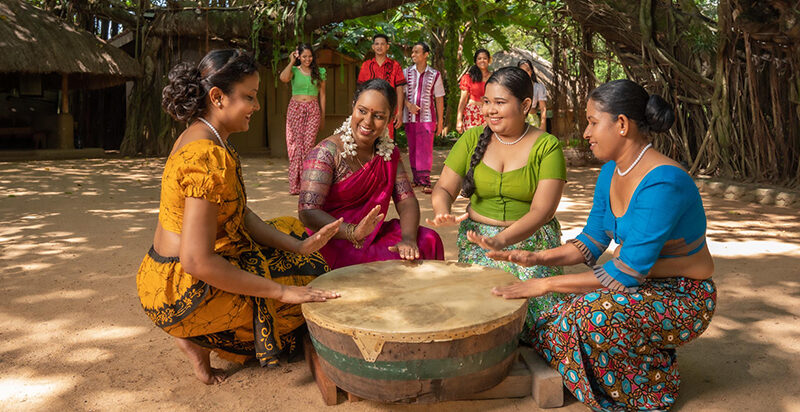
Sinhalese women celebrating Avuruddu festival in Sri Lanka
2. Sinhalese women playing Rabana on Avuruddu

Regional Variations

  • Southern & Western Sri Lanka: Common festive attire colour, announced annually. For 2025, it was copper colour.
  • Northern & Eastern Sri Lanka: Rangoli designs, mango-leaf decorations

Vesak Festival (May)

The Most Sacred Buddhist Festival

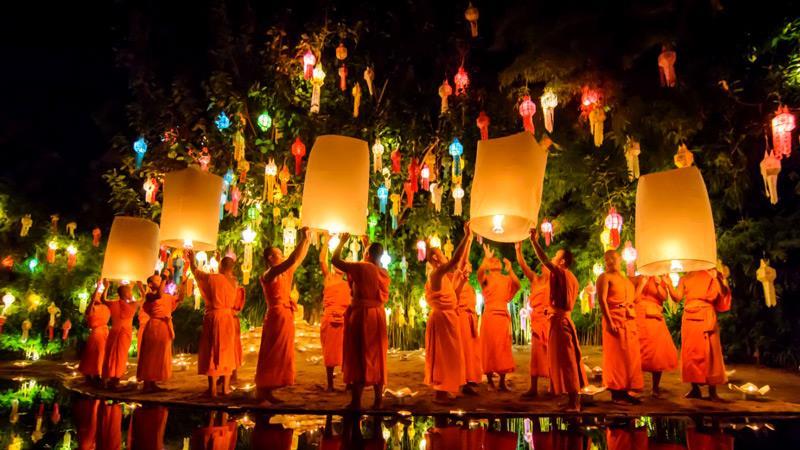
The Vesak festival in Sri Lanka commemorates the birth, enlightenment, and passing of Lord Buddha, all believed to have occurred on the same full moon day. Being one of the most important religious festivals of Sri Lanka, it transforms Sri Lanka into a glowing landscape of lanterns and oil lamps.

Date: 12 May 2025
Where: Island-wide, especially Colombo

Festival Highlights

Vesak festival in Sri Lanka
3. Lanterns being lit by monks in Sri Lanka
  • Vesak Kudu (Lanterns): Streets, homes, and temples across Sri Lanka are adorned with colourful, handmade lanterns, that range from small clay lamps to elaborate multi-tiered creations.
  • Pandals (Thorana): Large, illuminated panels depict scenes from the Jataka tales, illustrating moral lessons from the Buddha’s past lives. 
  • Dansal (Free Food Stalls): Communities set up food and drink stalls along streets, offering free refreshments to anyone passing by.
  • Decorated Temples: Buddhist temples host rituals, sermons, and meditation sessions. 
  • Nighttime Celebrations: Entire neighbourhoods come alive after dark with lantern-lit streets, processions, and community gatherings.

Tourist-Friendly Experiences

  • Join lantern-making workshops to create your own Vesak lantern
  • Visit dansal stalls and accept food or drinks 
  • Take evening walks through Vesak-lit streets and capture photographs 
  • Engage in charitable acts, such as donating to temple food stalls
  • Attend temple rituals, wearing white, and witness prayers, sermons, and meditation sessions

Poson Poya (June)

Arrival of Buddhism in Sri Lanka

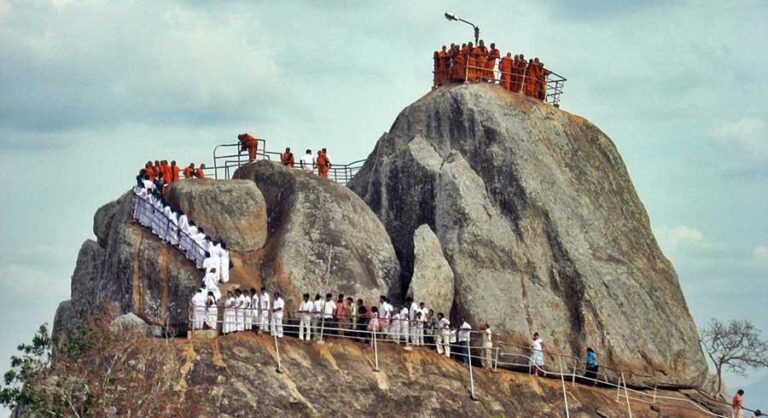
Poson Poya, though not technically a festival in Sri Lanka, is a celebration that marks the introduction of Buddhism to the island in the 3rd century, when Arahant Mahinda, the son of Emperor Ashoka of India, met the Sri Lankan King Devanampiyatissa. It is the second most important Buddhist festival. During this sacred full-moon period, entire cities slow down, alcohol sales are restricted, and a reflective, devotional mood settles across the country — offering visitors a rare glimpse into the deeply spiritual rhythm of Sri Lankan life.

Date: 10 June
Where: Anuradhapura & Mihintale

What Makes Poson Unique

  • Thousands of devotees, dressed in white, go on a pilgrimage from Anuradhapura to Mihintale, retracing the historic path of Mahinda 
  • Streets and temple grounds are decorated with colorful lanterns, and local vendors sell traditional snacks and refreshments to pilgrims and visitors
  • Pilgrims observe fasting, meditation, and devotional chanting at temples and shrines, creating a serene and spiritual atmosphere
  • Families and village communities come together for collective prayers, almsgiving, and ceremonial offerings to monks
Poson festival in Sri Lanka
4. Sri Lankans on a pilgrimage

What Visitors Can Do

  • Climb Mihintale steps with pilgrims
  • Observe evening ceremonies
  • Visit ancient ruins during festival time
  • Participate in lantern lighting
  • Sample local festival foods sold along the pilgrimage routes

Kataragama Festival (July–August)​

A Festival of Devotion

Kataragama attracts Buddhists, Hindus, and even visitors of other faiths, making it one of the rare multi-religious pilgrimage festivals in Sri Lanka. For weeks leading up to the main procession days, pilgrims arrive on foot from distant regions, fasting, bathing in sacred waters, and observing strict spiritual discipline. The atmosphere is raw, powerful, and emotionally charged — a striking contrast to the island’s beach resorts and wildlife safaris. Experiencing Kataragama during festival time allows visitors to witness devotion in its most elemental form, where belief transcends language, religion, and background.

Date: Late July–Mid August
Where: Kataragama

What You’ll See

Kataragama festival in Sri Lanka
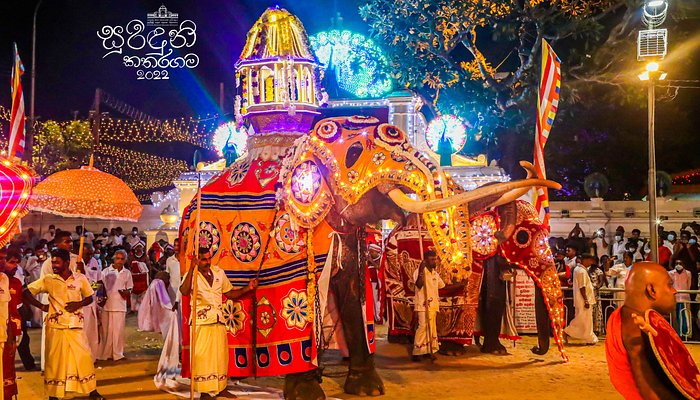
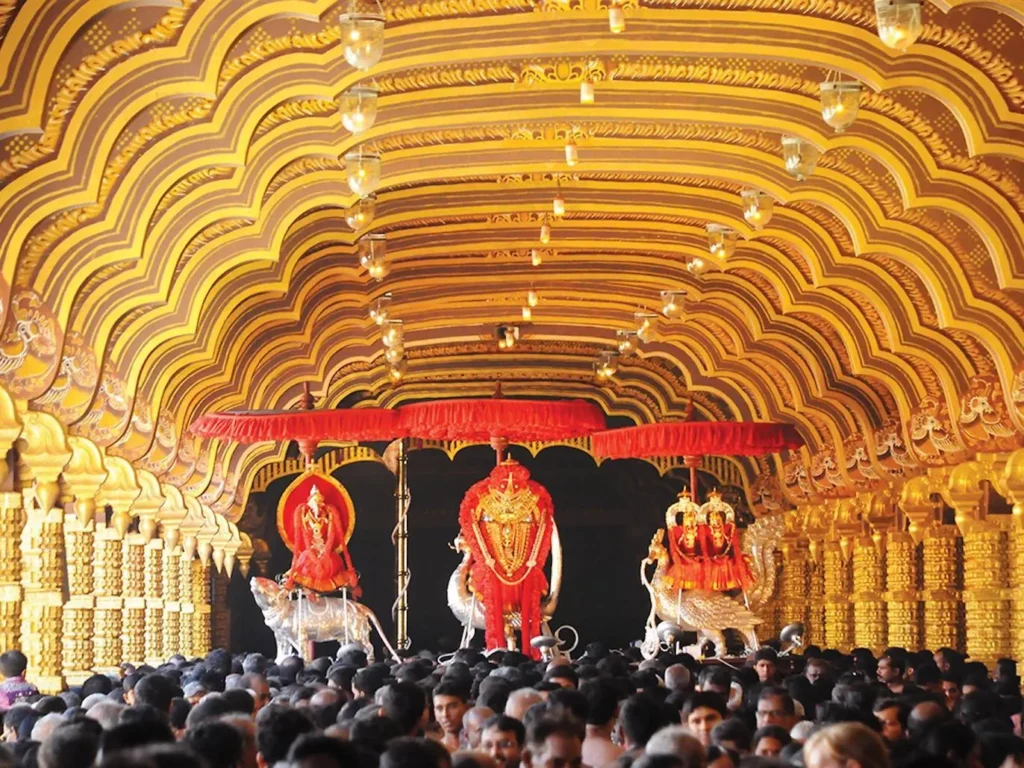
5. Decorated elephants at Kataragama procession
Kataragama festival in Sri Lanka
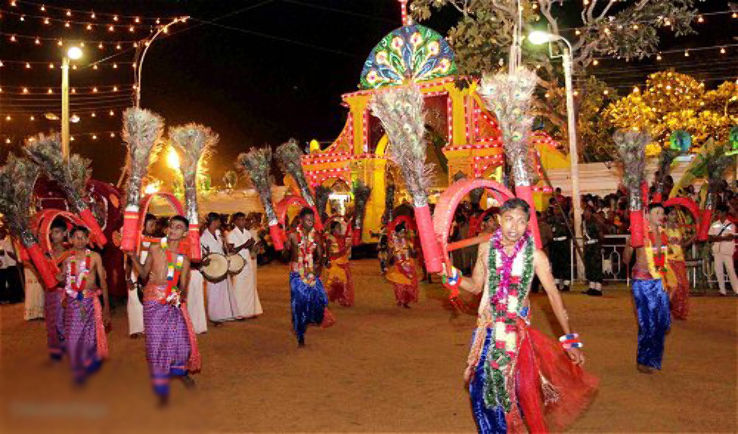
6. Devotees performing at Kataragama
  • Lavishly decorated elephants parading through the town, adorned with colourful garments and garlands
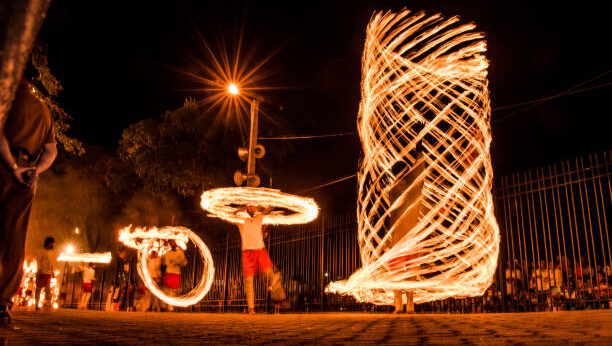
  • Traditional drummers and fire dancers performing dramatic displays along the procession route
  • Devotees performing acts of penance, such as walking barefoot over burning embers, rolling on hot sand, or hanging from hooks in acts of devotion
  • Sacred water-cutting ceremony, where priests bless rivers or ponds and devotees participate to seek divine favour and rain
  • Chanting, hymns, and devotional music resonating from temples, creating a powerful spiritual atmosphere
  • Colourful street decorations and lanterns lighting up the town during evening rituals

What You Can Experience

  • Guided cultural tours of the rituals
  • Photograph elephants, dancers, and vibrant decorations 
  • Watch the evening processions
  • Taste local offerings
  • Learn about the fusion of Hindu and Buddhist traditions that make Kataragama unique

Sri Lanka’s Grandest Procession

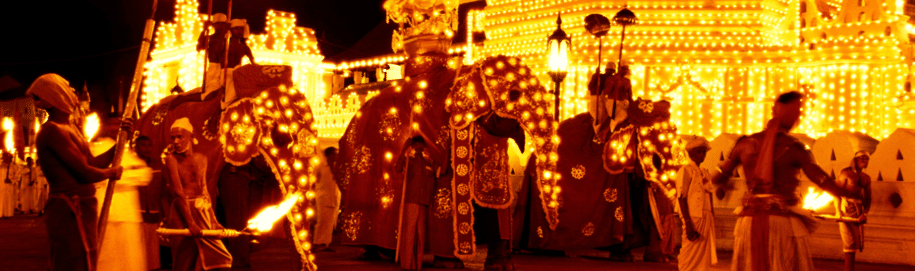
One of the most spectacular cultural pageants in the world, the Kandy Esala Perahera honours the Sacred Tooth Relic of the Buddha, believed to be one of the most venerated Buddhist relics in existence. Rooted in centuries-old royal tradition, this grand procession was historically performed to invoke blessings for rain, prosperity, and the protection of the kingdom. 

Dates: 30 July – 9 August
Where: Kandy

Procession Highlights

Kandy Esala Perehera festival in Sri Lanka
7. Fire dance at Kandy Esala Perehera
  • Kandyan dancers and drummers performing traditional ritual dances accompanied by powerful Hevisi drumming
  • Lavishly adorned elephants, including the lead tusker carrying the sacred relic casket
  • Fire performers, whip crackers, and torch bearers setting the rhythm of the procession
  • Traditional costumes and ceremonial attire representing centuries-old temple customs
  • Ten consecutive nights of parades, each increasing in scale and grandeur toward the final procession

Viewing Options for Travelers

Option

Recommendation

Reserved Seating

Book early through hotels or licensed agents for unobstructed views

Street Viewing

Arrive several hours early to secure a good spot along the route

Cultural Shows

Attend daytime performances to understand the dances and rituals

Guided Viewing Tours        

Ideal for first-time visitors seeking cultural context

Hotel Balconies

Limited availability but offer elevated, comfortable viewing

Jaffna’s Nallur Festival (August)

A 25-Day Hindu Celebration

Held at the historic Nallur Kandaswamy Temple in northern Sri Lanka, this festival is one of the longest and most significant Hindu temple festivals in the country. Dedicated to Lord Murugan, the god of war and wisdom, the Nallur Festival in Sri Lanka unfolds over nearly a month, transforming the town of Jaffna into a vibrant centre of devotion, ritual, and community life. Each day of the festival follows a precise ceremonial calendar rooted in centuries-old Saivite traditions, with devotees observing fasting, prayer, and acts of penance. For international travellers, Nallur offers a rare opportunity to witness an authentic Hindu festival largely untouched by mass tourism, set against the distinctive cultural backdrop of Sri Lanka’s Tamil heartland.

Dates: August (typically 25 days). Exact dates vary annually according to the Hindu calendar

Where: Jaffna

Festival Highlights

  • The iconic Ther (chariot) procession, where a towering wooden chariot carrying Lord Murugan is pulled through the streets by hundreds of devotees chanting sacred hymns
  • The procession is accompanied by a powerful katcheri, where synchronised drumming, conch blowing, traditional dance, Vedic chanting, and wind instruments create an electrifying ceremonial rhythm.
  • Devotees undertake vow-fulfilment and demonstrate their faith through intense acts of penance, including hanging from hooks attached to their skin, running barefoot over burning embers or hot coals, and circumambulating the temple while carrying earthen pots filled with burning camphor.
  • The gradual build-up of rituals over 25 days, each day holding a distinct spiritual significance
  • A deeply immersive atmosphere where the entire town of Jaffna revolves around temple life
Jaffna Nallur festival in Sri Lanka
8. Chariot procession at Nallur temple

What Tourists Can Experience

  • Chariot processions
  • Temple ceremonies
  • Carnatic music performance
  • Traditional dressing
  • Annadhanam (food donation)
  • Photography and guided tours

Diwali (November)​

Festival of Lights

Celebrated by Tamil Hindus, Diwali symbolises light overcoming darkness, knowledge dispelling ignorance, and good triumphing over evil. Homes are thoroughly cleaned, adorned with oil lamps and colourful decorations, and filled with the aroma of traditional sweets prepared days in advance. The interesting part is the night time when people crack fire crackers of all sorts. Diwali is also a time of gratitude and generosity, when families exchange gifts, visit relatives, and seek blessings for prosperity and well-being in the year ahead.

Date: 8 November 2026
Where: Northern & Eastern Sri Lanka, and Tamil communities across the island

Key Events of Diwali in Sri Lanka

Diwali festival in Sri Lanka
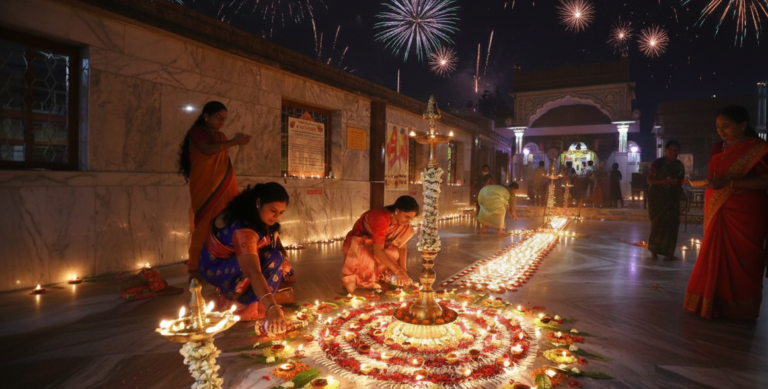
Sri Lankans doing a rangoli with oil lamps for Diwali
  • Lighting rows of oil lamps (deepam) at homes and temples at dawn and dusk
  • Early morning oil baths, symbolising purification and renewal
  • Special ceremonies at Hindu temples dedicated to Lakshmi and other deities
  • Bursting of fireworks, especially by children and families
  • Preparation and sharing of traditional sweets such as laddu, murukku, and halwa
  • Wearing new clothes as a symbol of fresh beginnings

What Tourists Can Participate In

  • Join families in lighting oil lamps or bursting firecrackers
  • Witness ceremonial rituals at Hindu temples
  • Taste festival sweets and free vegetarian meals 
  • Explore the beautifully lit Tamil neighbourhoods

Christmas & New Year (December)

A Tropical Festive Season

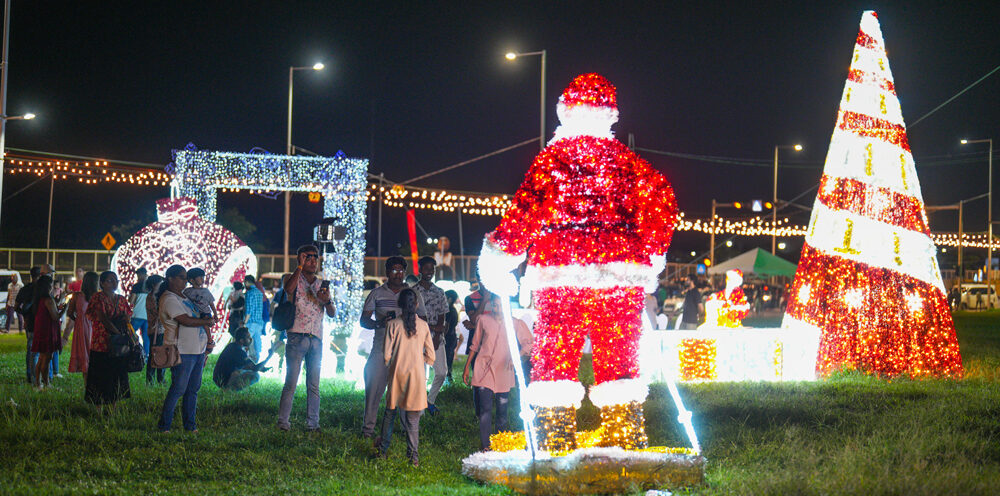
A colonial legacy blended with Sri Lankan warmth, Christmas and New Year celebrations bring a festive close to the year with lights, carols, and shared joy across the island. Introduced during Portuguese, Dutch, and British rule, Christmas has evolved into a widely embraced celebration that extends beyond Sri Lanka’s Christian community. From early December, cities are dressed in glowing decorations, shopfronts display Christmas trees and cribs, and the sounds of carols mingle with tropical evening air. The festive season culminates with New Year celebrations on 31 December, when hotels, beaches, and city centres come alive with countdowns, fireworks, and gala events — offering travellers a familiar yet distinctly Sri Lankan holiday atmosphere.

Dates: 20 – 31 December 

Best Places: Colombo & Negombo

Key Events During Christmas & New Year

  • Christmas Eve Midnight Mass, particularly at historic churches in Colombo and Negombo
  • Display of nativity scenes (cribs) in churches, homes, and public spaces
  • Carol services and choir performances throughout December
  • Traditional Christmas feasts blending Western and Sri Lankan flavours
  • New Year’s Eve countdowns, fireworks, and live entertainment
  • Public holiday celebrations with family gatherings and festive meals
Christmas festival in Sri Lanka
9. People admiring the Christmas decorations

What Visitors Can Do

  • Attend Christmas Eve Mass at landmark churches
  • Enjoy hotel-hosted gala dinners and dances with live music
  • Experience a tropical, beachside Christmas & open-air events
  • Join New Year celebrations at city and resort venues

Why Festivals in Sri Lanka Should Be Part of Your Trip

Attending festivals in Sri Lanka offer the most meaningful way to connect with Sri Lanka. It’s about being part of living traditions that reflect centuries of history, belief, and community. From spiritual journeys like Poson and Vesak to colourful, multi-faith celebrations like Kataragama and Diwali, these events offer:

  • Cultural immersion beyond sightseeing
  • Authentic local interactions
  • Unforgettable sensory experiences (light, sound, taste, smell)
  • Meaningful insights into Sri Lankan heritage

Plan your journey carefully, respect local practices, and immerse yourself in celebrations that extend far beyond the guidebook.

Comments are closed.

Booking Request

Enquiry Form